Electronic Loads
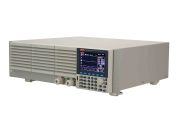
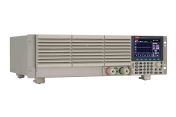
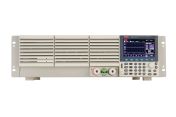
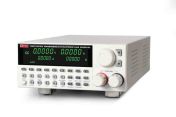
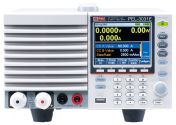
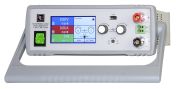
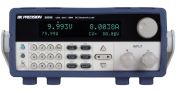
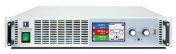
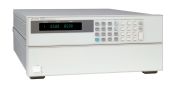
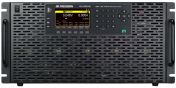
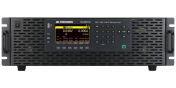
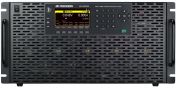
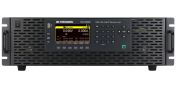
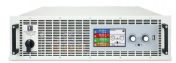
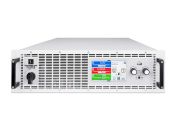
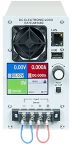
An electronic load is a type of device used for testing a range of power supplies such as a battery, solar cell, electronic component, portable charger and more. Electronic loads are available in a range of sizes to accompany a variety of applications, including low to high power consumption.
Electronic loads are available as either AC or DC loads and are vital for measuring power supplies via rapidly increasing and decreasing the load in a repeatable fashion, which can not be achieved by hand.
Types of Electronic Loads
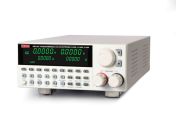
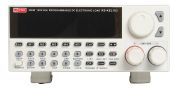
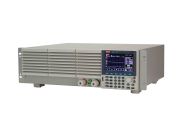
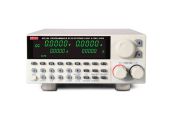
There are four main types of electronic loads including bench top, slot, system and modular. Depending on the type of application will determine the type of load required.
- Benchtop: Compact and ideal for lab use or small-scale testing environments.
- Slot: Designed to fit into chassis systems, often used in modular testing setups.
- System: High-performance loads suited for automated or complex test systems.
- Modular: Flexible and scalable, allowing multiple load modules in a single chassis.
Each type of load varies in input voltage, current, power and frequency, with multiple configuration options. Many electronic loads feature an interface with a screen and navigation buttons for ease of use, allowing you to easily configure the device. Certain electronic loads can also be controlled remotely via an Ethernet, USB, or GPIB interface.
How Electronic Loads Work?
Electronic loads are programmable AC, DC or regenerative loads used to simulate various load conditions on power sources, enabling engineers to test and evaluate the performance of power supplies, batteries, and other electronic devices. They can operate in multiple modes, each serving a specific testing purpose:
- Constant Current (CC) Mode: The electronic load draws a fixed current regardless of the input voltage, making it ideal for testing power supplies and batteries under consistent current conditions.
- Constant Voltage (CV) Mode: The load maintains a constant voltage by adjusting the current drawn, suitable for testing voltage regulators and battery chargers.
- Constant Resistance (CR) Mode: Here, the load behaves like a fixed resistor, drawing current in proportion to the voltage, useful for simulating resistive loads.
- Constant Power (CP) Mode: The load maintains a constant power draw by adjusting both voltage and current, applicable for testing power sources under varying load conditions.
Applications of Electronic Loads
Electronic Loads are used in a wide range of applications where the test and measurement of a power supply is required. They are commonly used in areas such as:
- Aerospace: Used to test power systems in aircraft and spacecraft, ensuring safety and durability under extreme conditions.
- Laboratory: Vital for research and development, providing precise load simulation for electronic device testing.
- Car Battery Manufacturers: Used to evaluate battery performance, capacity, and lifespan under real-world load scenarios.
- Fuel-Cell Manufacturers: Help test fuel-cell outputs and efficiency, supporting development of clean energy solutions.
- Cell-Phone Manufacturers: Used to verify battery life and charging systems in mobile devices.
- Solar Panel Manufacturers: Test panel output and durability, ensuring optimal energy conversion under varying loads.
How to Choose the Right Electronic Load?
Here are the key factors to consider when selecting an electronic load:
Power Rating
The power rating indicates the maximum power the electronic load can dissipate, typically measured in watts. It's crucial to choose a load with a power rating that meets or exceeds the power output of the device under test (DUT) to prevent overloads and ensure accurate testing. For energy-efficient testing, consider regenerative electronic loads that can feed energy back into the power source, reducing power consumption and heat generation.
Voltage and Current Range
Ensure the electronic load can handle the maximum voltage and current that the DUT can output. This capability is vital for testing power supplies, batteries, and other devices under real-world conditions.
Dynamic Response and Accuracy
For applications involving switch-mode power supplies or fluctuating loads, select an electronic load with a fast dynamic response (above 1 kHz) and high accuracy (±0.1% or better). This ensures reliable data and performance validation.
Communication and Automation
Consider electronic loads with communication interfaces such as USB, GPIB, or LAN for remote control and automation. These features enhance testing efficiency and integration into automated test systems.
How to Order Electronic Loads from RS?
Looking to purchase electronic loads from trusted brands like BK Precision, Keysight Technologies, Aim-TTi, and others? RS makes ordering simple. Place your order online for fast delivery or local pickup in Hong Kong. You can also directly call us to place your order.
How Delivery of Electronic Loads Works at RS Hong Kong?
Getting your electronic load testers or complete electrician tool kits quickly and reliably is easy with RS. We offer same-day and next-day delivery in Hong Kong, plus express options for urgent orders. For more details about delivery options or charges, visit our delivery information page.