Linear Bearings
Linear bearings, also known as linear motion bearings, are fundamental mechanical components designed to provide free and smooth movement along a single axis. These precision devices work by reducing friction and ensuring reliable translation along a shaft or guideway. Their core function makes them indispensable for a multitude of applications that require straight-line motion, from automated machinery to furniture drawer slides.
These robust components are also available in a variety of specialised types, each designed to meet specific performance needs. From heavy-duty linear bearing solutions for managing high loads to a precision linear bearing for applications requiring extreme accuracy, the right design ensures optimal performance, efficiency and longevity.
Types of Linear Bearings
There are many types of linear bearings available, each designed to provide specific motion capabilities and load capacities. Some of these include:
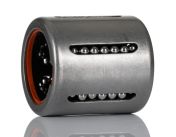
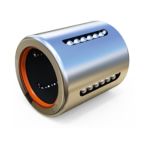
Linear Ball Bearings
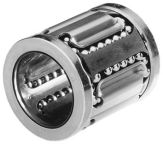
Linear ball bearings utilise recirculating balls to achieve smooth, low-friction motion along a shaft. This design makes them highly efficient for applications where high speed and precision are required, such as CNC machines and automated assembly lines.
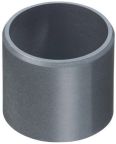
Plain Linear Bearings
A plain linear bearing operates with a sliding layer, providing a simple and compact solution for straight-line motion. This type of linear bearing is ideal for applications where quiet operation and a simple design are prioritised, like medical equipment and office machinery.
Closed Linear Bearings
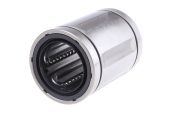
A closed linear bearing has a solid outer shell that fully encloses the rolling elements, providing a continuous surface for mounting and robust support. This design makes them a common choice for standard applications that use solid shafts, and are frequently used in machinery and automation, such as 3D printers and automated feeders.
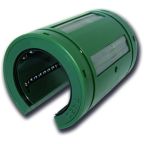
Open Linear Bearings
For applications that require long, continuously supported shafts, an open linear bearing provides the ideal solution. Its distinctive split outer shell is designed to pass over shaft supports, making it a versatile option for operations such as large-scale CNC routers and automated gantry systems.
Heavy-duty Linear Bearings
A heavy-duty linear bearing is engineered specifically to handle significant loads and operate under heavy stress. These linear bearings offer exceptional strength and durability, ensuring reliable performance in demanding industrial environments such as material handling and heavy-duty gantry systems.
Low-friction Linear Bearings
Achieving smooth and efficient motion with minimal resistance is the core purpose of low-friction linear bearings. By minimising resistance, these linear bearings ensure high-speed operation and reduce heat generation, which is critical for precision applications like robotics and laboratory equipment.
Benefits of Using Linear Bearings
Linear bearings offer a range of key benefits that make them indispensable for motion control and power transmission, such as:
- Reduced Friction and Wear: By minimising resistance and friction, a low-friction linear bearing reduces heat generation and wear on components. This contributes to a longer service life and better energy efficiency for the system.
- High Precision and Accuracy: Linear bearings ensure highly accurate and repeatable movements along a single axis. This is critical for applications that demand precise positioning and controlled motion, such as in robotics or metrology.
- Increased Load Capacity and Rigidity: A heavy-duty linear bearing is engineered to support substantial loads, providing excellent rigidity and stability. This allows for reliable performance even under heavy stress, preventing deflection and ensuring safety.
- Ease of Installation and Maintenance: Many linear bearings are designed for straightforward installation and have a long service life. This minimises downtime for maintenance and simplifies the assembly process, offering a cost-effective solution.
How Linear Motion Bearings Work
Linear bearings facilitate smooth, straight-line motion by converting a load into movement along a fixed path. This is achieved through two core principles: sliding and rolling. The sliding principle relies on direct surface contact, while the rolling principle uses recirculating elements to minimise friction. The choice of working principle used depends largely on the application.
For example, the rolling motion of a linear ball bearing is designed for extremely low-friction movement, making it ideal for high speeds and demanding precision applications, such as CNC machines and robotics. In contrast, the sliding motion of a linear plain bearing provides a simple, durable and quieter solution, well-suited for light loads and clean environments, such as those in medical equipment and office machinery.
Applications of Linear Bearings
Linear bearings are used across a wide range of industries and applications, such as:
CNC Machines
Linear bearings are fundamental to CNC machines, providing the critical precision required for accurate cutting, milling and drilling. By enabling smooth, highly repeatable movements along the machine's axes, they ensure the production of complex and precise parts, while also allowing for high-speed operation and consistent quality control.
3D Printers
3D printers rely heavily on linear bearings to ensure the precise movement of the print head and build plate. Their ability to enable accurate and repeatable translations along the machine's axes is paramount for producing high-quality, intricate 3D prints, making these components essential for both consumer-grade and industrial-scale printers.
Robotics and Automation Systems
Linear bearings are indispensable for the precise and repeatable motion required by robotics and automation systems. They provide a smooth, controlled movement along each axis for tasks like pick-and-place and assembly. The reliability of these linear bearings is paramount for ensuring consistent, high-quality output in these processes.
Conveyor Systems
For conveyor systems, linear bearings are crucial for maintaining a straight and smooth product flow. They ensure precise movement and alignment of conveyor belts, allowing for accurate material positioning and transport, particularly in applications that rely on incremental movement.
Medical Devices and Diagnostic Equipment
In medical devices and diagnostic equipment, smooth, precise and quiet linear motion is paramount. Linear bearings are essential for this, enabling the controlled movement of patient beds, scans in CT or MRI machines and fluid dispensers. This ensures both patient comfort and the accuracy of diagnostic results.
Packaging Machinery
Packaging machinery operates at high speeds and demands exceptional precision for consistent output. The controlled, straight-line movement provided by linear bearings is vital for functions like filling, sealing and cutting. This ensures products are packaged correctly and efficiently, minimising waste and maintaining production uptime.
How to Choose the Right Linear Bearings for Your Application
Selecting the right linear bearing is critical for ensuring optimal performance and longevity. Keep these key factors in mind when making your decision:
Load Capacity
The load capacity of a linear bearing is a primary factor in selection, as it is crucial to match the bearing’s rating to the static and dynamic loads of your application. Choosing an appropriately rated bearing prevents premature wear and ensures the long-term reliability of the entire system.
Speed and Precision
For applications demanding high speed and precision, selecting the right linear bearing is critical. A precision linear bearing is engineered with superior low-friction properties, ensuring the accurate and speedy repeatable movements vital for robotics or automated systems.
Operating Environment
When selecting a linear bearing, it is crucial to consider the operating environment. You must choose a bearing that can withstand factors like moisture, dust, high temperatures or corrosive chemicals, to ensure the bearing’s long-term reliability and sustained performance.
Type of Motion
The type of motion required by your system is a fundamental selection criterion for a linear motion bearing. For applications requiring long, continuous travel, an open linear bearing provides the ideal solution. In contrast, for simple point-to-point motion, a closed linear bearing may be sufficient.
Mounting and Design Constraints
Ignoring mounting and design constraints can compromise the performance of linear bearings. It is crucial to assess the available space and desired mounting style, ensuring the bearing fits seamlessly into the machine's design for optimal functionality.
Buy Your Linear Bearings from RS Hong Kong
RS Hong Kong is your trusted manufacturer and supplier of high-quality linear bearings across the nation. Our extensive portfolio offers exceptional value, showcasing a wide range of linear bearings — along with associated products like torque wrenches and digital height gauges — from leading manufacturers like SNR and INA. All our products undergo rigorous testing, comply with international standards and are backed by our unwavering commitment to assured quality.
For the utmost convenience, RS Hong Kong also assures the rapid, nationwide doorstep delivery of your orders. For more details regarding dispatch timelines, applicable charges and shipping choices, please consult our dedicated Delivery Information page today!
Popular Searches
Related links
- Linear Guide Rails
- Linear Motion
- SNR BBET12UU, Linear Ball Bearing with 22mm Outside Diameter
- SNR BBE80AUU, Linear Ball Bearing with 120mm Outside Diameter
- Linear Bearing Units
- SNR BB8UU, Bearing with 15mm Outside Diameter
- Ewellix LBBR8, Bearing with 15mm Outside Diameter
- Bosch Rexroth R063201200, Bearing with 22mm Outside Diameter