Micrometers
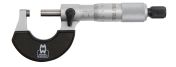
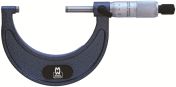
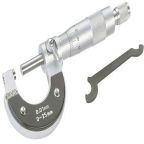
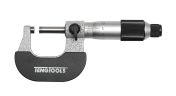
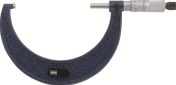
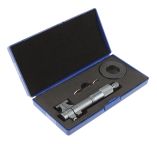
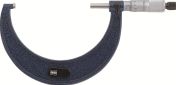
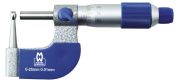
A micrometer (sometimes called micrometer screw gauge) is a precision measuring instrument, used to obtain very fine measurements and available in metric and imperial versions. They use a calibrated screw or thread (found internally on the spindle) for precise measurement of components in mechanical engineering and machining as well as most mechanical trades. They usually come in the form of callipers e.g. opposing ends joined by a frame. Learn how to calibrate and use micrometers correctly in our comprehensive micrometersguide.
What are Micrometers Composed of?
Here is a list of different components that make up a typical multimeter:
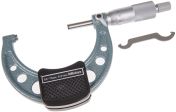
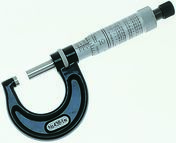
- Frame: The C-shaped body that holds the anvil and barrel in constant relation to each other.
- Anvil: The shiny part that the spindle moves toward, and that the sample rests against.
- Sleeve/Barrel/Stock: The stationary round component with the linear scale on it, sometimes with vernier markings.
- Locknut/Lock-Ring/Thimble Lock: The knurled component (or lever) that tightens to hold the spindle stationary.
- Spindle: The shiny cylindrical component that the thimble causes to move toward the anvil.
- Thimble: The component that turns by using a person's thumb, and features graduated markings.
- Ratchet stop: Device on the end of the handle that limits applied pressure by slipping at a calibrated torque.
- Screw: The screw in the micrometer serves to convert particularly small distances into measurable values.
How Micrometers Work
Micrometers are precision tools that measure dimensions by utilising a very accurately machined screw thread, often referred to as the spindle. This ingenious mechanism enables exceptional measurement accuracy, essential for your demanding tasks.
The object you wish to measure is carefully placed between the spindle and the anvil. You then move the spindle by turning either the ratchet knob or the thimble until it lightly touches the object from both sides, pressing it gently against the anvil. The precision of the measurement is directly related to the thread pitch of the spindle; each full rotation precisely adjusts the measuring space. For consistent readings, the integrated ratchet mechanism ensures a uniform level of torque is applied—you'll hear repeated clicking when the correct pressure is achieved.
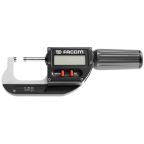
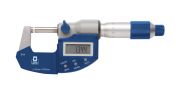
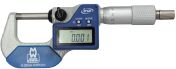
As for digital micrometers, they feature integrated electrical circuits, displaying exceptionally accurate readings clearly on an LCD screen for ease of use. Whether you are using an outside micrometer, which is also known as an external micrometer, for external dimensions, or an inside micrometer or hole micrometer for internal measurements, accurate technique is key.
When using a micrometer, always maintain the stability of the object being measured, ensuring it is kept parallel to the anvils. Also, apply a consistent level of pressure, using the ratchet mechanism as intended, to achieve reliable and repeatable results from your micrometer gauge.
Types of Micrometers
Explore specialised micrometers for precise measurements.
Outside Micrometer
most common type used to measure external dimensions such as the outside diameter of an object.
Inside Micrometer
Used to measure inside dimensions like the inside diameter of a hole or tube. There are two types: calliper-type and tubular and rod.
Depth Micrometer
These are used to measure the depths of holes, slots and steps. They come with a variety of interchangeable rods of different lengths so that they can be used to measure a range of depths.
Digital Micrometer
These display measurements clearly on an LCD screen, ensuring enhanced accuracy.
Benefits of Using Micrometers
Micrometers offer exceptional advantages, making them a preferred choice for your precision measurement tasks:
- Exceptional Accuracy: Considered among the most accurate types of measuring devices, micrometers provide highly precise measurements essential for critical applications.
- Reliable Measurements: The integrated ratchet mechanism ensures consistent measuring force, helping you achieve reliable and repeatable readings.
- Self-Contained Functionality: With built-in sleeve and thimble scales, a micrometer is a standalone instrument. You won't require additional measuring tools like rulers or tape measures, streamlining your workflow.
- Durability and Longevity: Their sturdy construction means they are unlikely to need frequent replacing or repairing, offering excellent long-term value for your investment.
Common Applications of Micrometers
Micrometers are indispensable precision tools, critical for exact dimensional measurements across various industries:
Manufacturing and Engineering
Essential for stringent quality control, micrometers verify component dimensions. An outside micrometer measures external, while an inside micrometer checks internal features, ensuring exact specifications for fit and function.
Machining and Toolmaking
A micrometer gauge is routinely used by machinists to measure exact dimensions of crafted tools, dies, and fabricated parts, ensuring exceptionally tight tolerances.
Automotive and Aerospace
Micrometers are vital for ensuring the safety and performance of critical components. Tube micrometers, for example, accurately measure tube wall thickness, while specialised micrometers address unique measurement challenges specific to these high-precision fields.
How to Choose the Right Micrometer
Selecting the ideal micrometer ensures precise, reliable measurements. Consider these factors:
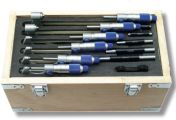
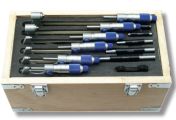
- Micrometer Type: Choose the right micrometer based on your measurement needs: outside micrometers for external dimensions, inside micrometers for internal measurements, and special micrometers with unique features for specific applications. For industrial use, opt for a durable micrometer gauge or a versatile micrometer set for various tasks.
- Range & Accuracy: Consider the dimensions and the level of precision required for your work. Therefore, select a micrometer that delivers the accuracy you need.
- Ergonomics: Look for a micrometer that offers a comfortable grip and smooth operation to reduce fatigue during extended use.
How to Order Micrometers from RS Hong Kong?
RS Hong Kong serves as your trusted supplier for micrometers and simplifies the process of ordering these precision tools. Explore our premium range, featuring high-quality micrometer gauge options and micrometer sets from renowned brands like Moore & Wright, Mitutoyo, and our own RS PRO. Simply add your chosen item to your online cart, then proceed to our efficient checkout process.
If you're looking for other measurement tools, we also have depth gauges, durometers, and more.
How Delivery Works at RS Hong Kong
At RS Hong Kong, we prioritise fast and reliable delivery for your micrometers and other tools. Utilising our robust global logistics, we dispatch orders without delay, ensuring fast delivery to your location in Hong Kong. With tracking available through your RS Online account, you can track your delivery in real-time.
For full details regarding our delivery options and fees, visit our Delivery page.