Safety & Hazard Tapes
Safety and hazard tapes are adhesive, brightly coloured tapes used to warn and protect individuals in hazardous areas, ensuring safety at work sites, public spaces, and emergency zones. These tapes are designed to grab attention and clearly communicate risks, reducing the likelihood of accidents or serious injuries.
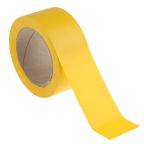
Common colours include yellow, red, orange, green, and black, each often indicating a specific level of hazard or type of caution. Barricade tapes typically feature warnings such as “Caution,” “Danger,” or “Lead Hazard.” While caution tapes alert workers to proceed carefully in risky areas, danger tapes are used to prevent entry into locations with high-risk hazards, where serious injury could occur.
Benefits of Safety & Hazard Tapes
Safety and hazard tapes are essential for maintaining a secure environment in various settings. Their primary function is to clearly demarcate hazardous areas, ensuring that individuals are aware of potential risks. Here's why they are indispensable:
- Mark Hazardous Zones: Clearly delineate dangerous areas to prevent unauthorized access.
- Reduce Risk of Injury: Serve as a visual warning to minimise accidents and injuries.
- Durable and Weather-Resistant: Suitable for both indoor and outdoor use, enduring various environmental conditions.
- Easy to Install and Remove: Simplifies the process of setting up and dismantling safety barriers.
- Variety of Colours and Messages: Offers customisation to indicate specific hazards or restrictions.
By effectively using safety and hazard tapes, organisations can enhance safety protocols and ensure compliance with safety regulations.
Types of Safety & Hazard Tapes
The colours and markings on safety and hazard tapes help individuals quickly identify different levels of risk, ensuring that hazards are clearly communicated in workplaces, public spaces, and construction sites.
Difference Between Caution Tape and Danger Tape
Caution Tape
Caution tape is used to alert workers or the public to proceed carefully in areas with moderate risks, such as temporary work zones or minor hazards.
Danger Tape
Danger tape indicates high-risk situations, preventing entry into areas where serious injury or severe hazards may be present.
Other Common Types of Hazard & Barrier Tapes
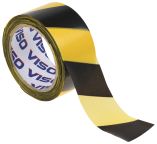
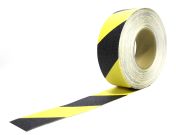
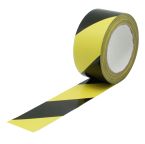
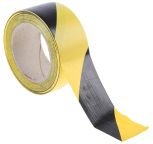
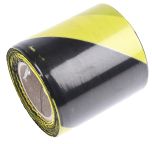
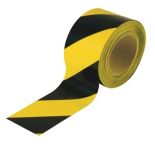
- Black/Yellow Hazard Tape : Black and yellow hazard sticky tapes are used to mark physical hazards like low-hanging objects, trip hazards, or material storage.
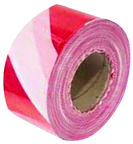
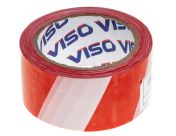
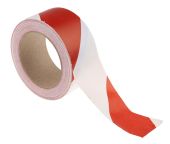
- Red/White Tape : Red and white tapes are used around danger, fire prevention and protection equipment or post-fire areas.
- Orange/White Tape : Orange and white tapes are used for traffic and caution warnings.
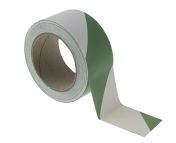
- Green/White Tape : Green and white tapes denote safety and first aid equipment.
- Blue/White Tape : Blue and white tapes mark defective machinery.
- Pink/Yellow Tape : Pink and yellow tapes mark radiation hazard areas.
- High-Voltage Warning Tape : High-voltage warning tapes warn of electrical dangers and cordons off high-voltage zones.
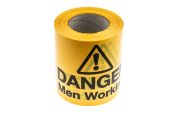
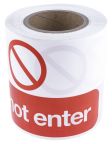
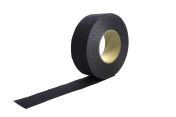
Other tapes include “Do Not Enter” and “Men Working” tapes for controlling pedestrian traffic and traction/anti-slip tapes to improve walking surface safety.
Applications of Safety & Hazard Tapes
Safety and hazard tapes are essential tools for marking and securing areas with potential risks. Their applications span various environments, ensuring safety and compliance.
Construction
These tapes are used to demarcate hazardous zones, preventing unauthorised access and ensuring worker safety.
Factories
Safety and hazard tapes are employed to indicate areas with machinery or processes that pose risks, guiding personnel to stay clear.
Events and Public Spaces
They are used to control crowds and restrict access to certain areas, enhancing public safety.
Emergency Scenes
Safety and hazard tapes are also essential for cordoning off accident sites, ensuring that only authorised personnel enter.
Electrical, Chemical, or Fire Hazard Zones
These tapes clearly mark zones with specific hazards, alerting individuals to potential dangers ensuring electrical safety.
Temporary Closures or Maintenance Work Areas
They indicate areas under maintenance or temporarily closed, preventing accidental entry.
Selecting the appropriate tape for each application ensures safety, compliance, and effective hazard communication.
How to Choose the Right Safety & Hazard Tape?
Selecting the appropriate safety and hazard tape is crucial for effective hazard identification and workplace safety. The right tape ensures clear communication of risks and compliance with safety standards.
- Hazard Level: Determine the severity of the hazard. Use red tape for immediate danger, orange for warning, and yellow for caution.
- Colour Codes: Adhere to standard colour codes: red tape for fire hazards, yellow for physical hazards, and green for safety areas.
- Environment: Consider the tape's durability in your environment. Choose tapes resistant to chemicals, moisture, or extreme temperatures as needed.
- Visibility Needs: Opt for high-visibility tapes in areas with low lighting or where attention is critical.
- Length & Quantity: Select tape lengths and quantities that match the size of the area to be marked, ensuring adequate coverage.
By carefully considering these factors, you ensure that the chosen tape effectively communicates hazards, enhancing safety for all.
Why Choose RS for Safety & Hazard Tapes?
To buy dependable caution or safety and hazard tapes, RS provides a trusted selection from leading brands such as 3M, Tesa, and Advance Tapes. Orders can be placed online for next-day delivery or branch collection, or by phone. We also offer blanket orders with controlled spend limits, making it easy for businesses and professionals to manage recurring purchases efficiently.
For full coverage, exclusions, and detailed information on delivery fees, please refer to our delivery page.




Related links
- Advance Tapes Black, Yellow Barrier Tape
- JSP Red/White PE 500m Non-adhesive Barrier Tape
- Advance Tapes AT712 Yellow Hazard Tape, 0.27mm Thickness
- Advance Tapes AT8 Red/White PVC 33m Hazard Tape, 0.14mm Thickness
- Advance Tapes Black/Yellow 18m Hazard Tape, 1mm Thickness
- Advance Tapes AT8 Black/Yellow PVC 33m Hazard Tape, 0.14mm Thickness
- Coba Europe Black PVC 33m Hazard Tape
- Advance Tapes AT712 White Hazard Tape, 0.27mm Thickness