Flexible Ducting
Flexible ducting is a versatile and essential component in many industrial and commercial ventilation systems, particularly in Hong Kong's dense urban environment where space can be a limiting factor. It is a type of conduit, typically made from materials like PVC or aluminium, designed to transport air, fumes, dust, or other particulates.
The primary purpose of a flexible air duct, hose or pipe, is to provide a highly adaptable solution for HVAC (Heating, Ventilation, and Air Conditioning) systems, fume extraction, dust collection, and exhaust applications. Its defining characteristic is its ability to be bent, compressed, and routed around obstacles, offering a simpler and more efficient alternative to rigid ductwork in complex or confined spaces.
How Flexible Ducting Works
The working mechanisms behind a flexible duct are straightforward, relying on a combination of material properties and system pressure to function effectively.
- System Connection: A flexible duct hose or flexible duct pipe is connected to a primary air handling unit or fan at one end and an outlet or a specific area of operation at the other. This creates a closed pathway for air movement.
- Air Propulsion: The fan or air handling unit generates positive or negative pressure. For supply ventilation, the fan pushes air into the flexible ventilation pipe. For extraction, it pulls air from the duct, creating a vacuum. This pressure differential is the driving force behind the air flow.
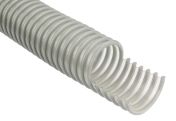
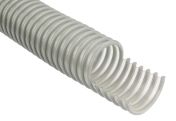
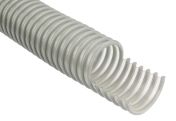
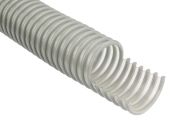
- Pathway Creation: The duct's helical or spiral wire reinforcement, often made from steel or aluminium, maintains its tubular shape. The flexible outer layer acts as a seal, containing the airflow and preventing leaks. This structure allows the duct to be bent and routed without collapsing, ensuring an uninterrupted flow of air.
- Targeted Airflow: Once operational, the air is effectively channelled through the flexible ducting pipe, moving from the intake to the outlet. This enables targeted ventilation, heating, or cooling in specific areas. The flexible air duct works by simply acting as a movable, sealed tunnel for air.
Benefits of Flexible Ducting Works
In Hong Kong's diverse industrial and commercial landscape, the adaptability of flexible ducting offers significant advantages over rigid alternatives. Its unique characteristics provide practical solutions for complex installations.
- Ease of Installation: A flexible duct pipe can be easily bent and routed around obstacles, significantly reducing installation time and labour costs compared to rigid ductwork, which requires precise measurements and multiple fittings.
- Versatility: The ability to handle various media, from air and fumes to dust and light particulates, makes it suitable for a wide range of applications, including HVAC systems, fume hoods, and dust extraction in workshops.
- Space-Saving Design: Its compressible nature allows for storage in tight spaces and deployment in areas with limited access, a crucial benefit in high-density urban environments like Hong Kong.
- Acoustic Properties: Some types of flexible air duct hose can help to dampen noise from air flow, contributing to a quieter working environment, which is a key consideration in commercial settings.
- Customisable Solutions: Available in a variety of materials, such as PVC flexible ducting and aluminum flexible duct, and different flexible ducting size options, it provides a tailored solution to meet specific application requirements.
Types of Flexible Ducting
The material composition of flexible ducting is a primary factor in determining its suitability for specific applications. Different materials offer unique properties that address varied industrial requirements, from chemical resistance to thermal insulation.
Polyurethane (PU)
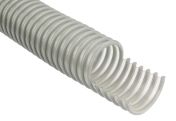
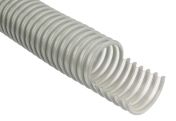
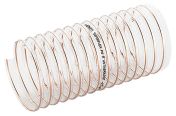
Polyurethane (PU) flexible ducting is highly valued for its exceptional abrasion resistance and durability. It is typically used for applications involving the transport of abrasive materials like wood chips, dust, granules, or powders. The robust nature of PU makes it a long-lasting and reliable option in demanding industrial environments.
Aluminium
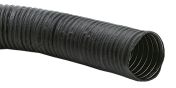
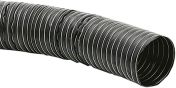
Aluminum flexible duct is a lightweight, non-corrosive, and fire-resistant option widely used for general ventilation, air conditioning, and exhaust systems. Its primary benefit is its ability to handle high temperatures and its inherent fire safety. The versatility and durability of aluminium make it a standard choice for both commercial and residential HVAC installations.
Insulated
Insulated flexible ducting is specifically designed to prevent heat loss or gain, thereby improving the efficiency of heating and cooling systems. It consists of an inner core, a layer of thermal insulation (such as fibreglass), and a durable outer jacket. This type of flexible duct is essential for maintaining consistent air temperature and reducing energy consumption in air distribution systems.
Acoustic
Acoustic flexible ducting is engineered with a perforated inner core and a layer of sound-absorbing material to significantly reduce noise generated by airflow within the ductwork. It is crucial for applications where noise control is a priority, such as in offices, cinemas, and recording studios. The unique construction of an acoustic flexible duct helps to create a quieter and more comfortable environment.
PVC
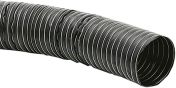
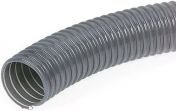
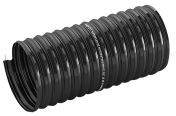
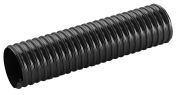
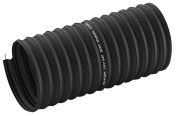
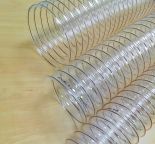
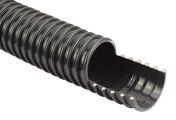
PVC flexible ducting is a cost-effective and versatile option known for its excellent resistance to chemicals, moisture, and UV light. It is commonly used for ventilation, fume extraction, and dust collection in various industrial settings. The smooth bore of a pvc flexible ducting hose minimises air friction and makes it easy to clean.
Applications of Flexible Ducting
The versatility of flexible ducting makes it indispensable across a wide range of industries and contexts in Hong Kong.
- HVAC Systems in Commercial Buildings: In Hong Kong’s high-density commercial towers and shopping malls, flexible air ducts are crucial for navigating complex layouts and delivering conditioned air to specific office suites or retail units. Its adaptability allows for efficient air distribution in confined ceiling spaces and during retrofitting projects.
- Fume Extraction in Laboratories and Workshops: Laboratories in universities or industrial workshops in areas like Kwun Tong rely on flexible ventilation pipes to safely extract and vent harmful fumes and chemical vapours. The ease with which a flex duct hose can be routed directly from the source to an exhaust system ensures a safer working environment.
- Dust and Particle Control in Manufacturing: Manufacturing and woodworking workshops in Hong Kong's New Territories use flexible ducting for effective dust and particle collection. A flexible pipe ducting solution can be easily repositioned to connect to various machines, ensuring airborne contaminants are captured at the source and preventing health hazards.
- Temporary and On-Site Ventilation: In Hong Kong's construction and event industries, flexible ducting provides a fast and reliable solution for temporary ventilation or cooling. A lightweight flexible duct can be quickly deployed to provide fresh air or remove stale air from work sites, tunnels, or event marquees, and then easily dismantled and stored.
- Residential and Kitchen Ventilation: For Hong Kong's compact residential apartments, a PVC flexible duct is a popular choice for kitchen and bathroom exhaust systems. Its ability to bend around tight corners and fit into small voids behind cabinetry or walls makes it an ideal solution for venting cooking fumes or steam to the outdoors.
How to Choose the Right Flexible Ducting
Selecting the correct flexible ducting for an application is critical for ensuring safety, efficiency, and long-term performance. Several key factors must be considered to match the product to the specific requirements of the job.
- Material: The material of the flexible duct must be compatible with the media it is transporting, whether it's air, fumes, or abrasive particles. For example, a PVC flexible duct is excellent for general ventilation and chemical resistance, while an aluminum flexible duct is better suited for high-temperature applications.
- Size and Length: Choosing the correct flexible ducting size is essential for maintaining optimal airflow and system pressure. The internal diameter should match the connections, and the length should be sufficient to accommodate the route without excessive stretching, which can reduce efficiency.
- Temperature and Pressure Rating: The duct's specified operating temperature and pressure range must meet or exceed the conditions of the application. Using a flex duct pipe outside of its rated capacity can lead to material degradation, leaks, or even system failure.
- Abrasion Resistance: If the application involves moving abrasive materials like dust or granules, it is vital to choose a highly durable material like polyurethane to prevent wear and tear. A flex duct hose with high abrasion resistance ensures a longer lifespan in demanding industrial settings.
- Regulatory Compliance: In Hong Kong, it is crucial to select products that meet local fire and safety regulations. For instance, ducts used in commercial buildings should comply with the Fire Services Department's codes, particularly concerning fire resistance and smoke generation.
Why Choose RS Hong Kong for Flexible Ducting?
As a leading distributor, RS Hong Kong provides a reliable and extensive selection of flexible ducting solutions that meet the demanding requirements of local industries. Explore high-quality products from Contitech, Prosiflex, Merlett Plastics and more that conform to international standards and Hong Kong’s specific building and safety codes.
Besides flexible ducts, we also carry other connectors and fittings such as hose adapters, or flexible hose pipes. For more information on our delivery options and fees, please visit our delivery page.
Related links
- Ducting
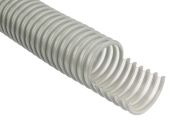
- RS PRO Transparent Polyurethane Reinforced Flexible Ducting 152 mm ID
- Hose Pipe & Flexible Tubes
- Cable Trunking
- RS PRO Polyvinyl Chloride 19 mm ID Clear, 10 m
- Conduit
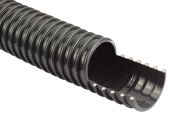
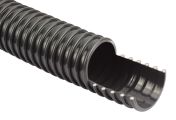
- Contitech Black Polyvinyl Chloride Reinforced Flexible Ducting, 5 m
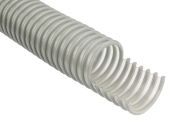
- Merlett Plastics Grey Polyvinyl Chloride Flexible Ducting 25 to 150 mm ID