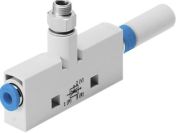
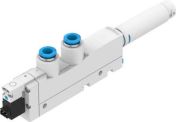
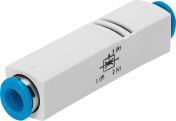
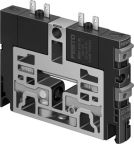
Vacuum Generators
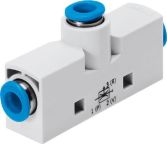
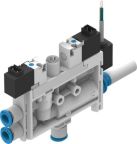
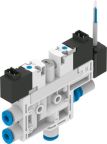
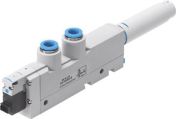
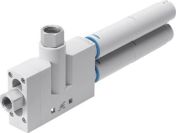
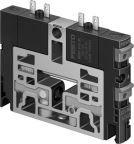
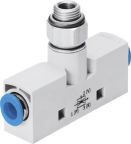
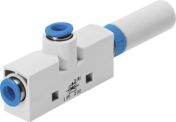
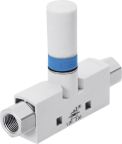
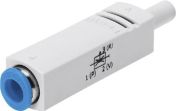
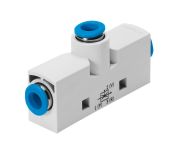
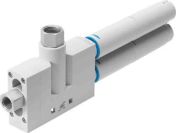
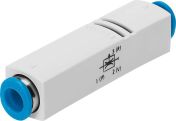
A vacuum generator, also known as a suction pump or vacuum ejector, is a type of pump that removes molecules of air and gas from a sealed volume, leaving behind a partial vacuum. They are also able to move fluids from one area to another, just like conventional pumps. Find out more in our complete guide to vacuum pumps.
Vacuum pump devices are suitable for various processes that require vacuums, such as an engineering or manufacturing process. They may also be used to move liquids from one location to another. Vacuum generators may also have a built-in exhaust silencer to keep generator noise to a minimum. RS Hong Kong offers a wide range of these electric and pneumatic vacuum generators, suitable for diverse industrial automation needs.
How Vacuum Generators Work
The working principle of a vacuum generator depends on its drive method. Pneumatic vacuum ejectors operate using the Venturi principle: Compressed air is forced through a nozzle, creating a high-velocity jet. This sudden expansion causes a drop in pressure, resulting in a vacuum on the suction side.
Electric vacuum pumps, on the other hand, utilise rotating mechanical components like diaphragms, pistons, or rotors to physically expand a chamber volume. This expansion continually removes air molecules from the sealed volume, creating and sustaining the vacuum.
Benefits of Vacuum Generators
Vacuum generators and suction pumps offer distinct operational benefits that enhance system performance and efficiency, particularly in automation and fluid control.
Compact and Lightweight
Most pneumatic vacuum ejectors and many electric suction pumps feature highly compact and lightweight designs. Their minimal size allows for direct integration into machinery, reducing system footprint and enabling flexible placement even in limited spaces within densely packed industrial installations.
Fast Vacuum Creation
Pneumatic vacuum ejectors are prized for their exceptionally fast cycle times and rapid vacuum creation. This instantaneous response is crucial in pick-and-place automation, where speed and precision are required to secure and move workpieces quickly and efficiently.
Low Maintenance
Many electric and pneumatic vacuum pumps contain fewer moving components than traditional pumps, leading to inherently low maintenance requirements. Vacuum generators may also feature built-in silencers, further simplifying operation and ensuring reliable, sustained performance with minimal noise output.
Types of Vacuum Generators
Vacuum generators are primarily classified by their power source: pneumatic (ejectors) or electric (pumps). Each system offers distinct advantages tailored to specific industrial needs and automation requirements in Hong Kong.
Pneumatic Vacuum Generator (Vacuum Ejector)
The vacuum is produced pneumatically using the Venturi principle. Pneumatic vacuum generators implement short cycle times and can be integrated directly into the system due to their compact and lightweight design. Vacuum ejectors offer functions for energy and process control. They are an excellent suction pump solution when compressed air is readily available and fast, decentralised vacuum generation is needed.
Low Maintenance
Electric vacuum generators are utilised when compressed air is not available or if very high suction capacities are required. These vacuum pumps create the vacuum using mechanical means, and the specific mechanism determines their flow and pressure capabilities. The category includes various pump types: Positive displacement pumps deliver consistent capacities for moderate flow applications like food manufacturing. Diaphragm pumps are often used for fluid transfers and dispensing due to their accuracy. Momentum transfer pumps and Entrapment pumps are also specialised electric mechanisms used for achieving specific vacuum levels.
Industrial Applications of Vacuum Generators
Vacuum generators and suction pumps are vital across numerous sectors in Hong Kong, providing the necessary suction and material handling capabilities for critical, often automated, processes.
- Semiconductor Processing: Electric vacuum pumps and ejectors are used for precision pick-and-place automation of delicate silicon wafers and microchips, ensuring high accuracy and minimizing contamination during assembly.
- Air Conditioning: Vacuum pumps are essential for purging air and moisture from AC systems before charging the refrigerant. Removing non-condensable gases is necessary to ensure optimal cooling efficiency and system longevity.
- Flight Instruments: Highly reliable electric vacuum generators are deployed in flight instruments and cockpit systems. They create and maintain stable vacuum pressures needed to operate gyroscopic instruments for navigation and safety.
- Composite Moulding: Vacuum pumps create and maintain the required vacuum levels in resin infusion and moulding processes. The suction ensures materials like carbon fibre or glass fibre are pressed tightly, eliminating air bubbles for high-strength composites.
- Uranium Enrichment: Specialised vacuum systems are required to manage gases in separation processes. These high-suction vacuum pumps are crucial for maintaining the precise atmospheric conditions needed for isotope enrichment.
- Print Presses: Automated print presses use small pneumatic vacuum ejectors and cups for paper and sheet feeding. The instantaneous suction allows machinery to quickly and accurately lift, separate, and transfer sheets without slippage.
- Medical Applications: Electric and air pumps are utilised in medical suction equipment, fluid transfer systems, and laboratory automation. The reliability of the suction pump is essential for maintaining hygiene and operational safety in clinical environments.
How to Choose the Right Vacuum Generator?
Selecting the correct vacuum generator is important for maximizing automation efficiency and minimizing energy consumption in your facility. Consider these factors when you buy vacuum ejectors or electric pumps online in Hong Kong:
- Vacuum Level & Suction Rate: Determine the required vacuum level (mbar) and the suction rate (flow rate) needed to handle the target material (e.g., porous workpiece). This ensures the vacuum pump or vacuum ejector has sufficient power to secure and move the load efficiently.
- Energy Efficiency: Compare electric vs. pneumatic options based on the available power source and operational needs. Modern electric vacuum generators often include energy-saving modes, reducing long-term price and running costs.
- Pump Size and Weight Restrictions: Evaluate physical space constraints. Pneumatic vacuum ejectors are compact and lightweight, allowing for direct mounting on machinery, while electric vacuum pumps may require more space but offer higher suction capacity.
- Environment Considerations: Assess the operating environment. For harsh conditions, choose durable pumps with sealed components; for clean rooms, opt for oil-free or integrated pneumatic solutions.
Why Choose RS Hong Kong for Vacuum Generators?
Find the right vacuum generator for any application at RS Hong Kong. We are a trusted supplier of pneumatic vacuum ejectors and electric vacuum pumps from world-leading manufacturers like Festo, SMC, and Norgreen. Explore our extensive stock to buy compact suction pumps and specialised systems at competitive prices.
Ordering is simple. Just select the products you need, add them to your cart, and complete your purchase through our secure online checkout. Beyond vacuum generators, we also offer essential vacuum components, including pneumatic suction cups, vacuum regulators, and vacuum switches. Detailed information on shipping times, costs, and service coverage across Hong Kong is available on our Delivery Information page.