Breaker Bars
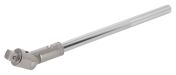
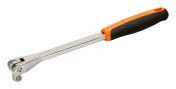
Breaker bars are durable hand tools designed to loosen tight nuts and bolts that smaller tools like ratchets, spanners, or wrenches cannot handle. Featuring a long handle and no ratcheting system, they generate greater torque with less effort, making them ideal for breaking seized fastenings. Typically made from polished chrome steel, breaker bars are strong, easy to maintain, and widely used across industries. Once the fastening is released, a ratchet or wrench can complete the job.
Key Benefits of Using Breaker Bars
Breaker bars offer several advantages that make them essential tools when dealing with stubborn fasteners.
- High Torque: The long handles of breaker bars multiply force to generate much greater torque than regular wrenches or ratchets can, enabling you to break loose seized nuts and bolts.
- Durability: Constructed from strong materials like chrome-vanadium or chrome steel, breaker bars are built to resist bending and wear under heavy loads.
- Ease of Use: With no complex mechanisms, they’re straightforward: just secure the socket, apply force, and let leverage do the work.
- Safe Alternative to Ratchets: Since there’s no ratcheting gear to overload or damage, breaker bars reduce the risk of parts failing when extra force is required.
- Reliability in Heavy-Duty Work: Ideal for industrial and automotive tasks where bolts are rusted, overtorqued, or simply hard to move, breaker bars deliver consistent performance.
Types of Breaker Bars
⅜-inch Breaker Bars
⅜ breaker bars are those with a ⅜ inch drive head and are among the most common sizes for a breaker bar drive head. Because of their medium-sized drive heads, ⅜ breaker bars are typically not too long. They are commonly used in the automotive industry for tasks like removing smaller lug nuts, carrying out engine work, or accessing tighter spaces where larger breaker bars would be impractical. Their balance of size and torque makes them a go-to tool for detailed mechanical jobs.
½-inch Breaker Bars
½ inch breaker bars are those with a ½ inch drive head and are among the most common sizes for a breaker bar drive head. They are the second-largest size behind ¾ breaker bars. ½ breaker bars are typically a bit longer than ⅜ breaker bars and can be around 18-24 inches in length or more. They are widely used for automotive repair tasks, such as loosening wheel nuts, suspension bolts, and other medium- to heavy-duty fasteners, making them a versatile tool for home garages and professional workshops.
¾-inch Breaker Bars
¾-inch breaker bars are ideal for heavy-duty jobs where standard tools aren’t enough. Their drive size allows for larger sockets, making them suited to loosening big nuts and bolts on heavy equipment like trucks, construction machinery, and industrial steel work. For instance, wheel hubs, drive shafts, axle nuts, or structural bolts that have seized from rust or over-tightening often require the extra leverage a ¾-inch breaker bar provides.
Applications of Breaker Bars
Breaker bars are essential in many settings where fasteners are over-tightened, rusted, or otherwise difficult to remove.
Automotive & Transport
Mechanics use breaker bars frequently for removing wheel nuts, which often seize up due to weather, road salt or corrosion. They’re also useful during oil changes or when loosening bolts on braking systems or exhausts, where torque demands exceed what a ratchet can give. Breaker bars allow safe, powerful leverage in tight areas under cars and trucks.
Industrial / Heavy Machinery
In industrial plants, breaker bars help maintenance engineers loosen large, rusted fasteners on equipment such as pumps, gearboxes, conveyors, and presses. Heavy machinery parts are often subject to intense stresses and corrosion; breaker bars help break the initial bond before using other tools.
Construction & Maintenance
On construction sites and in building maintenance, breaker bars are used to dismantle scaffolding bolts, anchor bolts in concrete, or heavy fasteners in structural steelwork. They’re also used in HVAC work, plumbing, and equipment maintenance, where high torque and durability are needed.
Utilities / Energy
In the utilities and energy sectors, such as power plants, wind turbines, and pipelines, breaker bars are crucial for operations involving the inspection, repair, or replacement of large bolts on flanges, panels, or casings. When fasteners have been under pressure or exposed to environmental wear, these tools provide reliable leverage to loosen them safely.
How to Choose the Right Breaker Bar?
When selecting a breaker bar for industrial use, it is essential to match the tool to the job, ensuring efficiency, safety, and durability.
- Length: The longer the handle, the more leverage and torque you get. But if the break-bar is too long, it may be unmanageable in tight spaces.
- Drive Size: Common drive sizes of breaker bars are ¼, ⅜, ½, and up to ¾ for heavy applications. Match the drive size to the sockets you’ll use and to the force needed.
- Material: Look for chrome-vanadium or chrome-moly steel. These alloys resist deformation and handle high torque without bending or breaking.
- Head Flexibility: Flexible or pivoting heads help reach awkward angles. Fixed heads are stronger but less versatile.
- Durability: Prioritise forged, heat-treated steel and corrosion-resistant finishes in breaker bars. Check welds or joint quality. For industrial buyers, tool life matters most.
Why Choose RS for Breaker Bars?
When it comes to buying reliable breaker bars, RS stands out as a trusted partner in Hong Kong. We supply premium options at competitive prices from brands like Bahco, designed for durability and professional performance. Ordering is straightforward. You can buy breaker bars online for next-day delivery or local branch collection, or call us directly. We also offer other useful tools like nut drivers, wire strippers, and more.
For complete details related to delivery and charges, please check our delivery page.
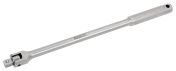
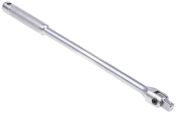
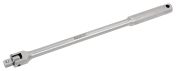
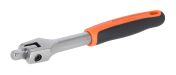
8 Products showing for Breaker Bars
Related links
- Bahco Breaker bar 1/4 in Square
- Bahco Breaker bar 1/2 in Square, Length 390 mm
- Bahco Breaker bar 1/2 in Square, Length 256 mm
- Bahco Breaker bar 1/4 in Square, Length 153 mm
- Bahco Breaker bar 3/4 in Square, Length 480 mm
- Bahco Breaker bar 1/2 in Square, Length 600 mm
- Bahco Breaker bar 1/2 in Square, Length 900 mm
- Bahco Breaker bar 3/8 in Square, Length 250 mm