Busbars
A busbar used to make complex power distribution easier, less expensive, and more flexible. Serving as a central hub for electrical current, these components carry high-current loads within switchgear, data centres, and manufacturing plants across Hong Kong. RS stocks a comprehensive range of solutions, from a standalone tinned copper bar to a complete busbar system, supplied by industry-leading brands including Schneider Electric, Siemens, ABB, Eaton, and Legrand.
How Does a Busbar Work?
At its core, a busbar acts as a common junction where multiple electrical circuits meet. Instead of using many individual cables to connect various components, a solid or flexible metal conductor provides a low-impedance path for electricity. Energy flows from incoming feeders onto the bar, which then allows multiple outgoing feeders to "tap in" and draw power as required.
A busbar system performs three primary roles to ensure this energy transfer remains safe and manageable:
Power Distribution
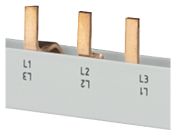
A busbar system excels at managing high-current distribution by providing a rigid structure that can handle significant thermal and mechanical stress. In a 3-phase setup, individual bars are used for each phase, ensuring a balanced and safe flow of electricity across the entire grid.
Because the metal surface area is larger than that of standard wires, it dissipates heat more effectively, allowing for higher power density in a smaller footprint.
Equipment Interconnection
Interconnecting heavy-duty equipment like transformers, switchgear, and motor control centres is simplified through the use of copper or aluminium bars. Using pre-fabricated busbar links eliminates the need for large-diameter cables that are difficult to bend and terminate.
For applications where alignment is a challenge, flexible connectors are used to bridge the gap between fixed equipment and the main distribution grid.
System Organisation
Maintaining a clean and organised layout within a control panel is essential for safety and maintenance. Busbars allow engineers to eliminate "bird's nest" wiring, replacing cluttered cable bundles with structured, parallel conductors. This logical arrangement makes it easier to identify circuits, install earth or ground bars for safety, and perform routine thermal inspections with infrared cameras.
Benefits of Busbars
Implementing a structured busbar system offers several technical and operational advantages over traditional cabling methods. These benefits are especially evident in high-density electrical environments across Hong Kong.
- High Current Capacity: The higher surface-area-to-volume ratio as compared to round cables allows busbars to dissipate heat more efficiently and enables the system to carry significantly higher current loads without the risk of insulation melting or conductor degradation.
- Improved Safety: By reducing the number of loose wire connections and "junction-heavy" wiring, you minimise the risk of hot spots and short circuits. Furthermore, many busbar systems feature tinned coatings to resist corrosion and are easily integrated with a dedicated earth or ground bar for fault protection.
- Simplified Maintenance: Because the connection points are clearly visible and easily accessible, technicians can quickly add new circuits or replace components on the busbar without re-routing entire cable looms, significantly reducing downtime.
Types of Busbars
As mentioned before busbars are used to distribute electrical power from incoming feed and distribute it to other devices. Think of them as an electrical junction where incoming and outgoing currents exchange. The type and size of your busbar would depend on where it is used.
- Copper Busbars: This type of busbar is generally used for high-current applications due to its excellent electrical conductivity. Typically found inside industrial switchgear and control panels, busway enclosures and larger panel boards. They can also be used to connect high-voltage equipment.
- Aluminium Busbars: Aluminium busbars are an alternative to copper busbars, offering lower cost and lighter weight. They are often used in applications where weight reduction is critical, such as in large-scale power transmission systems.
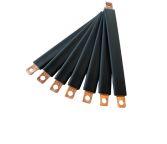
- Flexible Busbars: These busbars are made of multiple thin copper strips or braided conductors, allowing them to bend and flex. They are used in applications where movement or vibration is present, such as in electric vehicles or machinery.
- Insulated Busbars: Insulated busbars have an insulating material covering or coating, such as PVC (Polyvinyl Chloride) or epoxy, to provide electrical insulation and protect against accidental contact. They are commonly used in switchgear and panel boards.
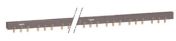
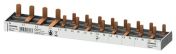
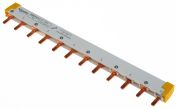
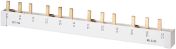
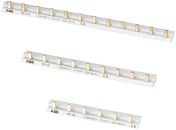
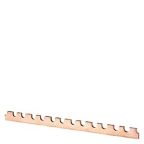
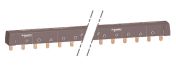
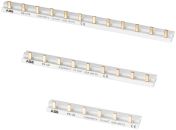
- Comb Busbars: This type of busbar is one of the most basic types of connecting busbar. Comb busbars are usually found in small distribution boards and switchgear panels used to distribute power to devices such as MCBs. They are also very useful in reducing the number of wiring connections.
- Earth Busbar: An earth busbar (also known as a ground bar) provides a common termination point for all protective conductors within an electrical installation. Connecting all metallic parts of the system to this central copper or tinned bar ensures that fault currents are safely diverted to the earth, protecting both personnel and sensitive power electronics from electric shock.
Industrial Applications of Busbars
Busbar technology is essential for modern infrastructure in Hong Kong, providing a reliable backbone for high-demand power distribution. Whether you need to buy a single strip or a modular 3-phase busbar system, these components are adapted for specific industrial challenges.
Industrial Automation
Automated assembly lines and robotics rely on a busbar system to distribute power to multiple motors and sensors simultaneously. The use of a flexible busbar is particularly common here, as it can withstand the constant vibrations and movement associated with high-speed machinery without cracking or losing conductivity.
Electrical Panels
In commercial and industrial distribution boards, busbars replace bulky wiring to save space. A 3-phase busbar allows for the neat installation of circuit breakers and isolators, ensuring the electrical panel remains manageable and easy to troubleshoot.
Construction
Large-scale infrastructure projects in Hong Kong use busbar systems to move power vertically through skyscrapers. These prefabricated copper or aluminium sections are faster to install than traditional cable runs, reducing labour costs and project timelines.
Energy & Utilities
Substations and renewable energy sites use high-capacity busbar links to manage the output from generators and transformers. These bars are often tinned to prevent oxidation in humid coastal environments, ensuring long-term reliability of the local grid.
Oil, Gas & Chemicals
In hazardous environments, the robustness of a busbar is a significant advantage. Because they are less prone to damage than insulated wires and can be easily inspected for thermal anomalies, they are the preferred choice for distributing power in refineries and processing plants.
How to Choose the Right Busbar
Selecting the correct electrical conductor is essential for achieving optimal performance and safety in your power distribution network. Consider these factors when choosing a busbar:
- Current Rating: Match the bar's cross-sectional area to the maximum current of your application. Ensuring the busbar can handle the load without excessive heat buildup is vital for long-term system stability.
- Material and Coating: Decide between copper for maximum conductivity or aluminium for weight-sensitive projects. In humid or industrial Hong Kong environments, selecting a tinned busbar is highly recommended to prevent surface oxidation and maintain low contact resistance over time.
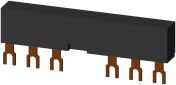
- Number of Phases: Determine if your setup requires a single conductor or a 3-phase busbar system. Modular 3-phase units allow for the quick and safe installation of multiple circuit breakers across three live poles.
- Physical Format: Evaluate whether a solid bar, a flexible strip, or a comb-style busbar is best for your enclosure. While solid bars are robust for permanent switchgear, a flexible conductor is better for connecting components subject to thermal expansion or vibration.
- Safety and Earthing: Consider if the application requires an insulated coating to prevent accidental contact. Always ensure your layout includes a dedicated earth or ground bar to provide a safe path for fault currents.
Buy Your Busbars from RS Hong Kong Today
RS Hong Kong is a trusted supplier and distributor of busbars and electrical distribution solutions. We offer a wide range of copper bars and 3-phase busbar system components sourced from reputable brands like Siemens, Eaton, and Schneider Electric, ensuring reliable options for every installation.
Beyond busbars, we also provide a wide array of other circuit breaker components to build on your busbar, such as busbar feed & tap-off units, busbar trunking, and busbar trunking accessories, catering to all your power distribution and general tooling requirements.
Explore our user-friendly online site for the full range of products and buy them today to have them shipped to your door at your convenience. With our flexible delivery options, you can receive your products precisely when needed. For comprehensive details on delivery times and fees, please consult our Delivery page.